Thursday, August 9, 2018


Do you often feel disturbed by the sound of people breathing or chewing? Be vigilant, you may have misophonia. The following is the explanation.

Often Interrupted by Sound? Maybe you got Misophonia


If you feel uncomfortable with sounds produced from chalk rubbing against the blackboard, or when someone chews and breathes, you may experience Mispohonia. 

This is a condition when you tend to hate certain sounds.


Misophonia and its causes

According to the WebMD health website, misophonia or also known as selective sound sensitivity syndrome. This condition can occur because of the sound of repetitive small movements, such as those who shake their legs as they sit, chew, yawn, or whistle.

A UK-based study identified the causes of misophonia by studying 20 adults who had misophonia and 22 people without the disorder.

They are all then told to assess discomfort from different sounds, including general trigger sounds (eating and breathing), universally disturbing sounds (babies crying and people screaming), and neutral sounds (like rain).

As a result, people with misophonia assess the sound of eating and breathing is very disturbing. Meanwhile, the two groups agreed that there would be discomfort due to the sound of babies crying and people shouting. This confirms that misophonia people are far more influenced by certain sounds.

If you are someone with misophonia, a mild reaction from your discomfort to the voice is restless, wanting to run away, and feeling disgusted. When you hear a sound that makes it uncomfortable, people with severe misophonia react in such a way. He can feel anger, hatred, panic, fear, emotional disturbance, a desire to kill or stop the source of noise, goosebumps, and suicidal thoughts.

In another study published in the journal Current Biology in 2017, this disorder occurs due to differences in the frontal lobes of the human brain. This causes a person with misophonia to react very hard to the sound, even causing a faster heartbeat.

Mental disorders vs. physical disorders

This condition will usually last a lifetime, starting at the age range of 9-13 years and is more common in women. Misophonia can appear quickly, but is not related to one event.

So far, misophonia has not occurred because of a problem in one's ears. Some researchers believe this disorder is part of a mental disorder, and partly related to physical disorders. Because, this condition can be linked to how the sound affects the brain and triggers an automatic response in your body.

Some doctors even mistakenly distinguish between misophonia and other anxiety disorders, such as bipolar or obsessive-compulsive disorder. Some doctors think misophonia must be classified as a new disorder. What's more, people with misophonia tend to avoid situations of social gatherings.

If you have already been exposed to misophonia, there are several ways you can do so that you do not interfere with certain sounds. As reported by Medical News Today, the easiest way to overcome misophonia is to wear earphones to minimize the sounds that bother them.

Tips to reduce misophonia disorders

Sometimes, when work is piled up and requires concentration, people with misophonia can be very tortured. Because in addition to being disturbed by the sounds that are there, he is also susceptible to stress due to work that is never resolved. If you experience it, try doing the following:

Use a hearing aid

You can try a device like a hearing aid that creates an atmosphere in the ear like the sound of a waterfall. Thus, you will not be too disturbed by the sounds that are around.

Take therapy

Treatment with speech therapy and antidepressants can also be tried to treat misophonia.

Change your lifestyle

Lifestyle turns out to contribute to the appearance of misophonia. So, do regular exercise, get enough sleep, and manage your stress well.

Provide a special room

Prepare a special room in your house that is quiet and can reduce the sound that makes you uncomfortable.

If you begin to feel disturbed by certain sounds that are commonly heard everyday, see your doctor immediately to get proper treatment. The key, you should not be too stressful. Some triggers must be handled as early as possible so that the misophonia disorder is not getting worse.

Often Interrupted by Sound? Maybe you got Misophonia

Read More

Wednesday, August 8, 2018


Do you feel the sound suddenly change? It could be that the change indicates that you have a certain disease. Check the medical facts here.

6 This Disease Can Be Known Through Your Voice

The sound of the sound released from the mouth can actually reflect your health condition. Beware of sound changes that occur, so that you can be more sensitive to diseases that might arise.

Diseases that you should be aware of
If signs of disease usually arise because they can be seen or felt, this time the sound turns out to be a sign that you are suffering from a particular disease. Here are some diseases that can be detected through voice changes:

The sound of the sound released from the mouth can actually reflect your health condition. Beware of sound changes that occur, so that you can be more sensitive to diseases that might arise.

Diseases that you should be aware of
If signs of disease usually arise because they can be seen or felt, this time the sound turns out to be a sign that you are suffering from a particular disease.

Here are some diseases that can be detected through voice changes:


The vocal cords

This disease usually attacks people who use more voice, such as professional singers, teachers, and lecturers. Usually marked with a very hoarse voice.

The healing method is to rest the vocal cords through fasting, vocal therapy, or talking if needed. Vocal or speech therapy is usually recommended by a doctor when the vocal cords have improved.

More types of therapy are used to treat damage to vocal cords due to excessive or excessive vocal use.

Thyroid problem

There are two main reasons why changes in your voice can indicate a disturbance in the thyroid gland.

"Thyroid enlargement (known as goiter) can put pressure, both on the larynx or on the nerves that supply it, causing changes in sound," said Dr. Ralph Abraham, consultant endocrinologist at London Medical.

The thyroid can grow slowly over the years and gradually the quality or strength of the patient's voice will change.

On the other hand, Ralph calls this thyroid problem can destroy one side of the nerve which causes paralysis of one side of the larynx, so that only one vocal cords can move.

"This results in a loss of sound power until the sound released becomes like a whisper," said Dr. Ralph.

The second reason is that when the gland is not functioning properly there will be a reduction in the production of thyroid hormone called hypothyroidism. This condition causes fluid retention in the body which then makes the vocal cords swell and the voice sounds coarse.

Nasal polyps

According to research, about one in 10 people who suffer from this disease is caused by infection, allergies, or an immune reaction to something in the environment.

Nasal polyps or chronic sinusitis can cause nasal congestion, discharge from the front and back of the nose, facial pain, and decreased function of the sense of smell. Some of those affected by this disease will experience sound changes.

"When speaking, the patient's voice will sound like echoing in the nose and sinuses. This condition will not improve until the airway is cleared, "explained Shahzada Ahmed, an ENT consultant and skull base surgeon at 152 Harley Street.

Nasal polyps cannot be cured but their complaints can be reduced with steroids. When steroid administration does not show results, nasal polyps must be removed by surgery at the hospital.

Gastric acid

Someone with gastric acid disease or mag usually will realize that they experience it when there is a burning pain in the chest after each meal.

Gastric acid is caused by an increase in acidic fluid in the digestion to the esophagus, a tube that takes food from the mouth to the stomach. This happens because the muscle in the upper part of the abdomen, known as the sphincter, can weaken and no longer effectively stop the acid coming out.

Pregnant women and people who are overweight often experience this problem because of changes in pressure in the abdominal cavity. Another clear sign of stomach acid is that someone has a hoarse voice when he wakes up in the morning.

"This might happen, because the acid that comes out of the stomach while lying flat at night can interfere with the throat, especially the larynx. This condition causes swelling of the vocal cords and changes in sound quality," said Tweedie researchers from London Medical.

Laryngeal cancer

Laryngeal cancer is quite rare with around 2,300 cases occurring every year. However, according to Peter Rhys Evans, an ENT surgeon who specializes in cancer surgery at Royal Marsden Hospital, London, laryngeal cancer is one of the more common types of tumors found in the throat.

"This tumor causes sound changes at an early stage. The sound becomes hoarse due to the subtle vibrations that occur in the vocal cords when there is swelling in the throat," said Peter Rhys.

Another sign to watch out for is persistent discomfort, especially when swallowing, pain in the ear or the appearance of a lump in the neck. If it has been more than three weeks, these signs must be checked.

Parkinson's disease

Sound changes can be one of the early markers of Parkinson's. Other symptoms include tremor, loss of facial expression, and difficulty sleeping. When the disease develops, the patient may have a voice that seems calmer than usual.

Described by Dr. Roger Eglin from Portsmouth University, he conducted research to help those with Parkinson's disease.

"I was told by the patient that he spoke more calmly for several years. But then I believed the sound change was a sign of Parkinson's when I saw the tremor on his thumb."

Parkinson's symptoms often lead to decreased self-confidence, because sufferers feel that they are ignored. However, in reality, people around him might have struggled enough to hear what they said.

After you know the various health conditions that can be detected through sound, there is no harm in checking your voice. If you experience sound changes as described above, see your doctor immediately to get prompt and appropriate treatment.

6 This Disease Can Be Known Through Your Voice

Read More

Tuesday, August 7, 2018


Are you a coffee lover? Be careful, if you drink coffee excessively, you can actually experience health problems. The following is the explanation.

Drinking coffee has now become part of the lives of Indonesian people. In the past coffee was synonymous with drinks for parents or men, but now coffee has become a part of the lifestyle of young people. But be careful, coffee consumption that is too far can cause health problems.

Local and overseas coffee shops are increasingly mushrooming. Variations in coffee drinks offered also vary, ranging from black coffee, coffee milk, coffee with additional cheese toppings and so on.

For you coffee addicts, pay attention to the health problems that will appear below, as a sign that you drink too much coffee:

1. Feelings of anxiety
Coffee is often a loyal friend when you feel stressed about work deadlines or overtime at the office. However, the National Institute of Mental Health in the United States recommends that those of you who often experience anxiety disorders to avoid coffee or caffeinated drinks.

Caffeine can aggravate anxiety and make you unable to fall asleep or trigger a flight or fight response to the body. So for those of you who feel anxious, it could be that the coffee you drink is too much.

2. Abdominal pain
Do you experience abdominal pain, especially in the area of ​​the stomach? It could be that the coffee you drink is the cause. Coffee can stimulate an increase in stomach acid and trigger complaints of pain in the stomach.

The solution is if you have a history of mag disease, you should avoid drinking excessive coffee. Also try to eat before drinking coffee.

3. Heart pounding
Complaints of palpitations can be caused by excessive coffee consumption. The caffeine content found in coffee causes several cases of palpitations that lead to complaints of dizziness and fainting. So if you experience complaints of palpitations, you should avoid drinking coffee at all.

4. Diarrhea
In some people, coffee has a laxative effect and can make you defecate more often, even experience diarrhea. According to The International Foundation for Functional Gastrointestinal Disorders, drinking more than 2 cups of coffee a day can increase your risk of experiencing diarrhea.

So if your frequency goes back and forth to the bathroom, it's time to reduce coffee consumption.

5. Insomnia
When you need to stay up all night, coffee is often the first choice. However, drinking too much coffee will actually make you sleepless. According to the Mayo Clinic in the United States, coffee can survive in the body for 14 hours.

So, drinking coffee excessively can certainly make you insomnia, wake up at night, to reduce sleep quality. It would be better if you drink coffee in the morning or during the day.

6. Headache
Caffeine (with the appropriate dose) can help relieve headaches that you experience. Therefore, it's no wonder caffeine is often the content of anti-pain drugs sold on the market.

However, based on research conducted by Johns Hopkins University, drinking coffee more than 500 mg of caffeine (equivalent to 5 cups of coffee) can actually make you experience headaches and weakness. Besides coffee, also pay attention to other sources of caffeine such as tea, soda or energy drinks.

Although you adhere to the principle of "no day without coffee", as much as possible limit the amount of coffee you drink if you don't want to experience various health problems above. Drinking coffee is also beneficial for health, with a note that sugar and creamer are not added, and consumed in certain limits.

6 Signs You Drink Too Much Coffee

Read More

Monday, August 6, 2018


Recognize Dental Problems Often Experienced by Diabetics

Diabetics are more susceptible to infection in the teeth and oral cavity. What is the reason? And what are the dental problems that often affect diabetics? See the full explanation here.

Diabetes mellitus is a disease associated with an increase in blood sugar levels and is associated with the process of atherosclerosis and microangiopathy.

In diabetics, an increase in blood sugar levels can affect the entire body including the oral cavity. Some abnormalities that can appear in the oral cavity of a diabetic patient are infection and pain. Teeth, gums, soft tissues in the mouth (such as the inner walls of the cheeks and the floor of the mouth), and jaws can be abnormal.

Dental Problems in Diabetics

Cavity
One source stated, there was no clear specific relationship between cavities and diabetes. However, there are links that might trigger cavities in diabetics. For example because of high blood sugar levels in saliva, which triggers bacteria to develop.

Dry mouth
This condition is caused by a disturbance of saliva flow which is affected by various conditions, including age, medication, and the severity of nerve damage. Some symptoms of dry mouth are dryness in the mouth, chapped lips, mouth pain, infection in the mouth, and disturbances when chewing, swallowing and talking.

Gingivitis and periodontitis
This condition is inflammation of the tissues that support the teeth. Usually begins with inflammation of the gums, then progresses more severely to inflammation of the supporting tissues of the teeth (periodontitis). This disease can increase the risk of uncontrolled metabolism. In the condition of gingivitis, the symptoms are gums that bleed and swell easily. When it has increased in periodontitis, there has been damage to the soft tissue and alveolar bone that supports the teeth so that it can cause teeth to shake.

Fungal infections
Fungal infections are commonly experienced by diabetics who experience a decline in the immune system, and are also affected by the amount of saliva. Symptoms include red or white patches on the tongue, gums, inner cheek wall, and palate.

Burning mouth syndrome
This condition is caused by uncontrolled blood sugar. The signs are the mouth feels like burning, bitter, and dry.

One of the earliest signs of gum disease that you need to watch out for is bleeding gums and looks swollen. Sometimes diabetics do not realize it, so it is very important to control the dentist as a way to detect early abnormalities that occur.

Recognize Dental Problems Often Experienced by Diabetics

Read More

Sunday, August 5, 2018


Are you experiencing a breakup? Be careful, if you are too sad, you can risk health problems. This is a medical fact.

Health problems due to breakups
It cannot be denied that the breakup of relationships with loved ones can make the heart sad and uninspired. However, if this continues to drag on, there are several health problems that might attack you:

1. Insomnia
Crying throughout the night due to breakups can cause sleep patterns. Complaints of tightness and pain in the chest area that are very likely to arise can cause insomnia.

In addition, thinking too much about the heart that has hurt can also make you often wake up at night. As a result, lack of sleep can affect activity the next day.

2. Decreased appetite
Many cases of breakups cause drastic weight loss. This can happen because appetite has dropped dramatically due to breakups.

In addition to choosing to daydream rather than eat, stress can also cause digestive disorders, which can affect your nutritional intake.

3. Mag
Having a history of mag or not is equally risky to experience an increase in stomach acid when you break up. Because stomach acid is more produced when you experience stress, especially when the diet is irregular and makes the condition of the mag worse.

4. Depression to suicide
Breaking up in love can lead to psychological disorders in the form of depression. In one study it was said that 40 percent of adolescents had mild depression, while another 12 percent reported severe depression.

This condition of severe depression that is not tolerated can trigger a desire or attempted suicide.

5. Broken heart syndrome
In fact, breakups can be fatal and cause death. In the medical world, breaking up can trigger heart disorders known as broken heart syndrome. This disease attacks women more than men.

Excessive stress conditions that occur due to breakups will increase the production of stress hormones in the body. Later, this condition will affect the work of the heart or result in failure to pump blood because the heart is swollen. Symptoms experienced are usually:

Chest pain
Hard to breathe
Heart palpitations
Limp body
Feelings like a heart attack
Health-free tips when breaking up
To avoid the dangers of various health problems as above that you may experience, do the following tips:

● Busy yourself
Looking for a busy life by doing positive things like doing a hobby, gathering with family or friends, exercising, developing your own potential can prevent you from prolonged sadness.

● Looking for new friends
By expanding friendship, it will be more likely for you to find a new partner. So, you can immediately forget your ex-lover.

● Delete memories
Forget all the memories of your ex and avoid discussing the past.

Breaking up in love is actually quite dangerous because it can cause health problems. One thing to remember is there are many other things that are more important and you need to do than to drag on in sadness due to breakup.

Beware, Breaking Love Can Cause Health Disorders

Read More

Saturday, August 4, 2018

Handling of Bloody Gums for Diabetics

Inflammation of the gums can occur to anyone, both in diabetics and people who are not diabetic. One symptom that can arise is bleeding gums. What is the right treatment for this?

Diabetes can cause various complications, one of which is the gums. This condition has even increased among diabetics. The risk of inflammation of the gums and supporting tissues of the teeth in diabetics is quite high due to a decrease in the ability to fight bacteria.

Bloody Gums in Diabetics

Gingivitis or inflammation of the gums can occur to anyone, both in diabetics and people who are not diabetic. Besides bleeding gums, the symptoms that can arise from inflammation of the gums are swollen and reddish gums.

How could this happen?

If the plaque on the tooth containing the bacteria is not cleaned and continues to accumulate, then the gums will experience inflammation over time. If this condition is not resolved immediately, it will progress more severely to inflammation of the supporting tissues of the teeth or periodontitis. In periodontitis abnormalities, the gums will descend towards the roots so the roots open, the teeth shake, and there is pus.

Handling of Bloody Gums

Beware if diabetic patients experience bleeding gums. We recommend that you immediately see a dentist to get treatment and prevent further severity.

The dentist will provide professional cleansing treatments, namely tartar cleansing, as well as educate on how to properly brush teeth and clean the gaps of the teeth.

Things that can be done at home are cleaning your teeth by brushing them using a soft brush, rinsing with an antibacterial mouthwash that is alcohol-free, and cleaning the gaps of the teeth regularly. Keeping blood sugar under control is also one of the main treatments.

Handling of Bloody Gums for Diabetics

Read More

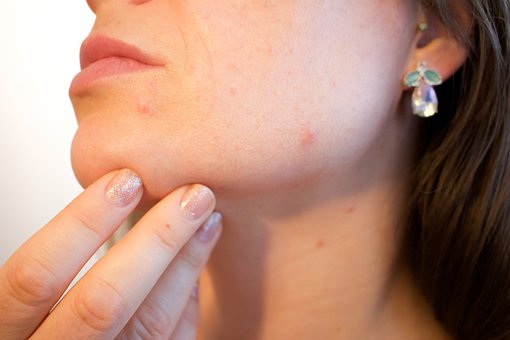
I want my pimples to disappear
The exact cause of acne is not yet known, but there are various factors that are known to be associated with this disease:


Stress

Hormonal factors. One important factor that causes acne is increased production of the hormone testosterone, which is owned by the body of men and women. The testosterone hormone found in the body of men and women triggers the onset of acne by stimulating the oil glands (sebaceous gland) to produce excess skin oil (sebum).

An overactive oil gland

Descendants of parents

Bacteria in the skin pores

This is important to note because acne treatment also needs to pay attention to the factors above. Acne can recur if the above factors cannot be controlled properly.


What should be done to get rid of zits?


Diligently wash your face at least 2x a day with soap that does not produce much foam

Low fat and carbohydrate dietLive regular, healthy, 3x / week exercise for at least 30 minutes

H be stressed

Use enough cosmetics, avoid oil-based cosmetics (foundation, BB cream, pressed powder)

Avoid things that can spur oil glands: alcohol, spicy foods, cigarettes Avoid air pollution

Avoid squeeze pimples because they can aggravate eruptions

The condition of oily skin is a type of skin that is very risky to experience acne. In addition to the treatment it requires patience, also requires control of diet, habits of cleansing the face, controlling stress and so on


Acne treatment is based on reducing oil production, fighting bacterial infections, accelerating skin cell turnover and reducing inflammation. Most acne medications have not produced results in the first 4-6 weeks. The treatment given can include external medicine and also drinking medicines.


The drugs that can be used are retinoic acid, benzoyl peroxide, and topical antibiotics. For zits in the back area can use sulfur-containing lotions. In severe cases, it is usually necessary to add oral isotretinoin and oral antibiotics. All these drugs can cause irritation and other side effects, so their use must be under the supervision of a doctor.


Indeed, treatment requires a long period of time and patience. We recommend that doctors do not change over time because acne-prone skin handling does take a long time so it needs monitoring and patience. If you change doctors, then every new doctor will usually start treatment again. The complaint that you convey about the condition of your acne is a reasonable complaint that occurs in the treatment of acne.


Acne treatment varies depending on the severity of acne. We recommend that you visit a skin and genital specialist for an analysis of the factors that cause acne on your face

I want my pimples to disappear

Read More

Friday, August 3, 2018

This is How to Remove Stiffness on the Shoulder

A stiff shoulder can be very annoying, especially when it comes to activities. These three simple movements can remove stiffness on the shoulder.

Have you ever felt your shoulder suddenly be difficult to move or feel pain in your shoulder after waking up? It may be that you are experiencing stiffness in the shoulders which makes your hand movements limited.

A stiff shoulder usually makes the sufferer feel uncomfortable, especially if the level of stiffness is bad enough. The good news, you don't need to rush to find a pain reliever in the medicine box. Most of the stiffness on the shoulder can be overcome with a few simple movements.

As reported on the Medical News Today page, stiff shoulders can occur when scar tissue forms on the shoulder. This condition causes the shoulder joint capsule to thicken and tighten, leaving less movement space. As a result, movement on the shoulder becomes stiff and can be painful.

The main causes of a stiff shoulder are not fully understood and cannot always be identified. However, most people with shoulder shoulders have decreased mobility as a result of an injury or fracture they have just experienced. This condition is also commonly found in diabetics.

Stiff risk factors on the shoulder can also occur in people aged over 40 years. This condition is 70 percent experienced by women, and those who experience trauma due to surgery around the arms. Risk factors can be more severe and allow stroke, hyperthyroidism (overactive thyroid), hypothyroidism (underactive thyroid), cardiovascular disease, and Parkinson's disease.

Three stages of symptoms are stiff on the shoulder

For this reason, the American Association of Orthopedic Surgeons (AAOS) mentions symptoms usually classified in three stages. Generally there will be gradual deterioration and then recover within 2-3 years. The step in question is:

Freezing. At this stage you will feel pain that increases gradually. This condition makes movement on the shoulder more difficult. Pain tends to worsen at night. This stage can last from 6 weeks to 9 months.
Frozen. Pain does not worsen, and may decrease at this stage. Stiffness in the shoulder remains, and this can be felt for 4-6 months.
Thawing. Moving the shoulder becomes easier and slowly returns to normal. Pain can fade but can sometimes recur. This stage occurs between 6 months to 2 years.
Overcome the stiff shoulder with three simple movements

More than 90 percent agree that simple exercise can control pain and make symptoms improve. Stiff shoulders usually recover, but can take 3 years. Following are three simple movements that can "relax" a stiff shoulder.

1. Cross stretching
Hold your shoulders that feel stiff, pull your arms slowly in front of you until they are under your chin. Hold for 30 seconds. Relax and repeat.

2. Stretch pendulum
Stand with your shoulders relaxed. Position the arms hanging vertically. Swing in a small diamater circle. Increase the diameter after a few days when you feel you have gained strength.

3. Stretch towel
This method is easiest, like rubbing your body after bathing with a towel. Position the towel on the back, then hold both ends of the towel. Pull the towel up and down, repeat 10-20 times a day. Keep your hands from the stiff shoulders in the top position.

The three ways above you can do gradually so that your shoulders are not "shocked" and actually increase the severity of the pain you feel. If you have done the three movements above but have not changed, or have worsened, it is better to see a doctor immediately to get further examination so that the stiffness on the shoulder can be handled appropriately.

This is How to Remove Stiffness on the Shoulder

Read More